Santa Fe Movers and Lehi Movers Your Complete Moving Guide

Santa Fe Movers and Lehi Movers Practical Steps for a Well-Organized Move
Relocating to a new home or business location is a major milestone that requires careful preparation and dependable support. Whether you are moving across town or to another state, having a well-organized plan can make the entire experience easier. If you are searching for trusted moving assistance, learn more on the Santa Fe Movers website before creating your moving checklist. Starting early gives you enough time to organize belongings, schedule important tasks, and avoid unnecessary stress during moving day.
Every move comes with different priorities, from packing fragile belongings to coordinating transportation and unloading. Families, students, and business owners all have unique moving requirements, so choosing the right approach is essential. If you are comparing relocation options in another area, you can go to Lehi Movers website to explore helpful information and understand what professional moving services can offer for a well-planned relocation.
Build a Moving Timeline That Works
A successful move begins with preparation. Instead of waiting until the last week, create a timeline that breaks your move into manageable tasks. Start by sorting your belongings into categories such as keep, donate, recycle, and discard. Reducing unnecessary items before packing helps save time, lowers transportation costs, and makes unpacking much easier.
Preparing an inventory of your belongings is equally valuable. A detailed list helps track packed boxes and ensures nothing gets misplaced during transportation. Label each box with its destination room and a brief description of the contents to simplify unloading and organization.
Select Moving Services That Match Your Needs
Not every relocation requires the same level of assistance. Some households only need transportation, while others prefer full-service moving that includes packing, loading, storage, and unpacking. Understanding your priorities allows you to select services that fit your schedule and budget.
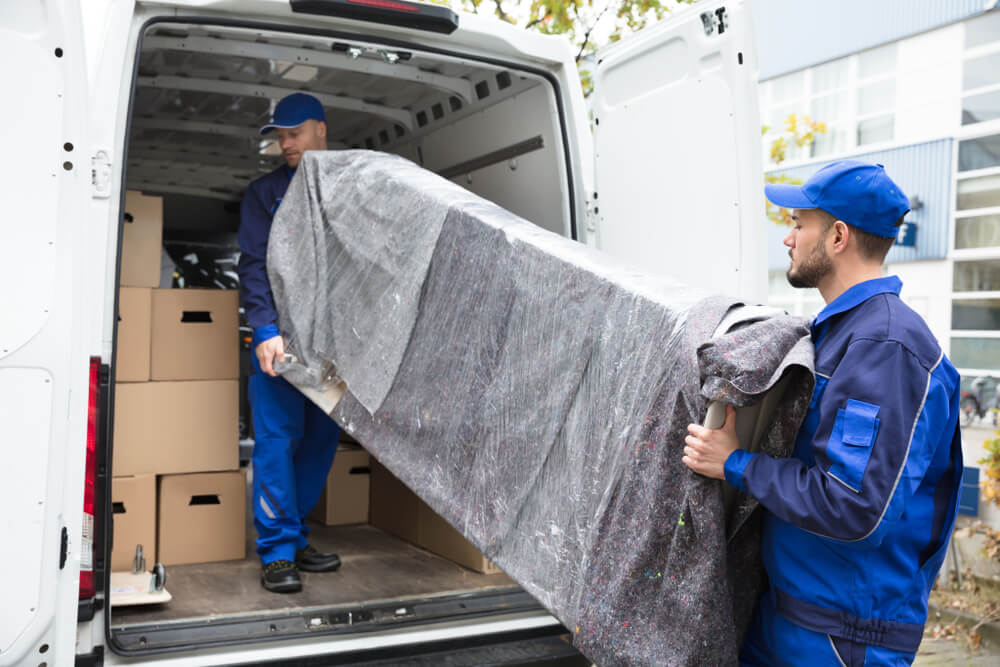
Professional movers often have specialized equipment for handling heavy furniture, appliances, antiques, and delicate electronics. Their experience can reduce the risk of damage and help complete the move more efficiently. Before making a decision, compare available services, verify licensing when applicable, and review customer experiences to gain confidence in your choice.
Pack with Organization and Care
Packing is often the most time-consuming part of moving, but staying organized makes the process much smoother. Gather quality packing supplies such as sturdy boxes, packing tape, bubble wrap, furniture blankets, and protective padding before you begin.
Pack one room at a time to avoid confusion. Clearly label every box and keep important documents, medications, chargers, and daily essentials in a separate bag that remains with you throughout the move. Fragile items should receive extra cushioning, while heavier belongings should be placed in smaller boxes to make lifting safer and easier.
Prepare Your Home Before Moving Day
Moving day becomes much easier when your home is ready in advance. Confirm your moving schedule several days beforehand and make sure walkways remain clear for efficient loading. Reserve parking if necessary and notify building management if elevators must be scheduled.
Disconnect utilities only after your moving day is complete, and arrange activation of electricity, water, gas, and internet at your new residence before arrival. This preparation allows you to settle in comfortably without unnecessary delays.
Protect Your Move Tips for Success
Planning ahead reduces many common moving challenges, but following trusted industry guidance provides additional confidence throughout the process. Review Protect Your Move tips for success from the Federal Motor Carrier Safety Administration before moving day. These recommendations explain how to choose reputable movers, understand your rights, prepare important documents, recognize warning signs of fraudulent companies, and protect your belongings throughout the relocation process.
Make Your New Home Feel Comfortable Quickly
After arriving at your destination, focus on unpacking the most important rooms first. Bedrooms, bathrooms, and the kitchen should receive priority since they are used immediately. Setting up these areas first creates a comfortable living environment while allowing the remaining boxes to be unpacked gradually.
Inspect your belongings as you unpack to ensure everything arrived safely. If any issues are discovered, document them promptly and communicate with the moving company according to their claims process.
Final Thoughts
Moving is a significant life event, but it becomes much more manageable with thoughtful planning and dependable support. Creating a detailed moving schedule, organizing your belongings, selecting services that match your needs, and following trusted moving guidance all contribute to a smoother experience.
Whether your relocation involves Santa Fe, Lehi, or another destination, staying organized from the beginning through the final unpacked box allows you to focus on enjoying your new home instead of worrying about the moving process. Careful preparation today leads to a more successful and less stressful move tomorrow.